

CBAM 2026: UAE Manufacturing's Carbon Compliance Challenge
The Carbon Reckoning: Why 2026 Will Redefine UAE Manufacturing
The boardrooms of UAE manufacturers are facing an uncomfortable truth: carbon has a price, and it's coming due in 2026.

The European Union's Carbon Border Adjustment Mechanism isn't just another regulatory hurdle—it's a fundamental reshaping of global trade architecture. For Gulf manufacturers exporting steel, aluminum, cement, and fertilizers to Europe, the transitional grace period is ending. What comes next will separate the strategically prepared from the reactively scrambling.
I've watched countless manufacturers approach CBAM with the same mindset they've used for decades of compliance work: wait until the deadline nears, then hire consultants to fix the paperwork. That approach won't work this time.
Why CBAM Is Different
CBAM doesn't just ask for documentation—it demands operational transformation. When every ton of CO2 embedded in your product carries a financial penalty tied to EU carbon prices (currently €60-90 per ton), you're not filling out forms. You're rethinking your entire production model.
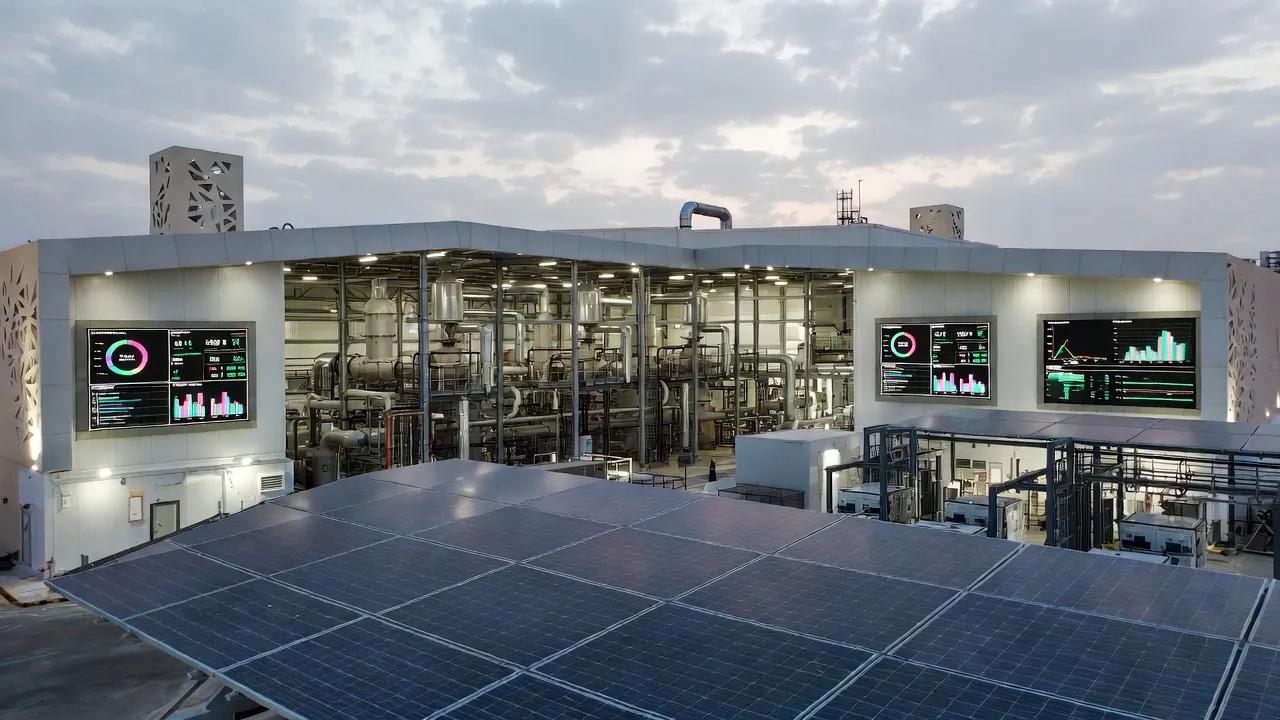
The manufacturers who understand this are already moving. They're installing monitoring equipment, switching to renewable energy sources, and redesigning processes to reduce carbon intensity. They recognize that aren't optional nice-to-haves but essential competitive tools in the new trade reality.
The ones still waiting? They're about to discover that their products just became 20-30% more expensive than competitors who acted early.
The Data Problem Nobody's Talking About
Here's what keeps me up at night: most UAE manufacturers don't actually know their carbon footprint with the precision CBAM demands. They have rough estimates, industry averages, maybe some energy bills. What they don't have is granular, verifiable, production-line-level emissions data.
CBAM doesn't accept approximations. When your EU importer files their declaration, they need exact numbers. Without them, authorities apply default values—essentially worst-case assumptions that maximize your carbon liability. It's a penalty disguised as a methodology.
Building this measurement infrastructure takes months, not weeks. The verification process adds more time. Companies starting in late 2025 will miss the January 2026 deadline, and there's no mulligan for international trade compliance.
The Solar Advantage We're Not Using
The irony is almost painful. The UAE sits on some of the world's best solar resources, yet many manufacturers still power operations primarily with fossil fuels. Saudi Arabia is investing billions in renewable infrastructure while its industries lag in adoption.
This represents a massive competitive opportunity disguised as a regulatory burden. Every megawatt-hour switched from grid power to solar reduces CBAM liability dollar-for-dollar. In carbon-intensive industries like aluminum production, renewable energy adoption can cut CBAM costs by 40-60%.
The math is straightforward: investing in renewable energy infrastructure now generates returns through reduced CBAM certificates for years. It's not an environmental initiative—it's a margin protection strategy.
Beyond Compliance: Strategic Positioning
Smart manufacturers are seeing past the compliance checkbox to the strategic positioning opportunity. When you can demonstrate low carbon intensity through verified, you're not just avoiding penalties—you're creating competitive advantages.
European buyers increasingly use carbon intensity as a procurement criterion. Two suppliers offering similar prices and quality? The one with lower embedded emissions wins the contract. CBAM documentation becomes your market differentiator, not just your market access ticket.
What Happens Next
The next 12 months will determine which manufacturers thrive in the post-2026 trade environment and which struggle with unexpected cost burdens. The winners will be those who stop thinking about CBAM as a compliance problem and start seeing it as a business transformation opportunity.
They'll invest in measurement systems, pursue emission reduction strategies, engage verification bodies, and build institutional knowledge about carbon accounting. They'll do this not because regulators require it, but because their customers demand it and their margins depend on it.
The carbon reckoning is coming. The only question is whether you'll be ready when it arrives.